

Biomethane Drives Low-Carbon Heavy-Duty Transport
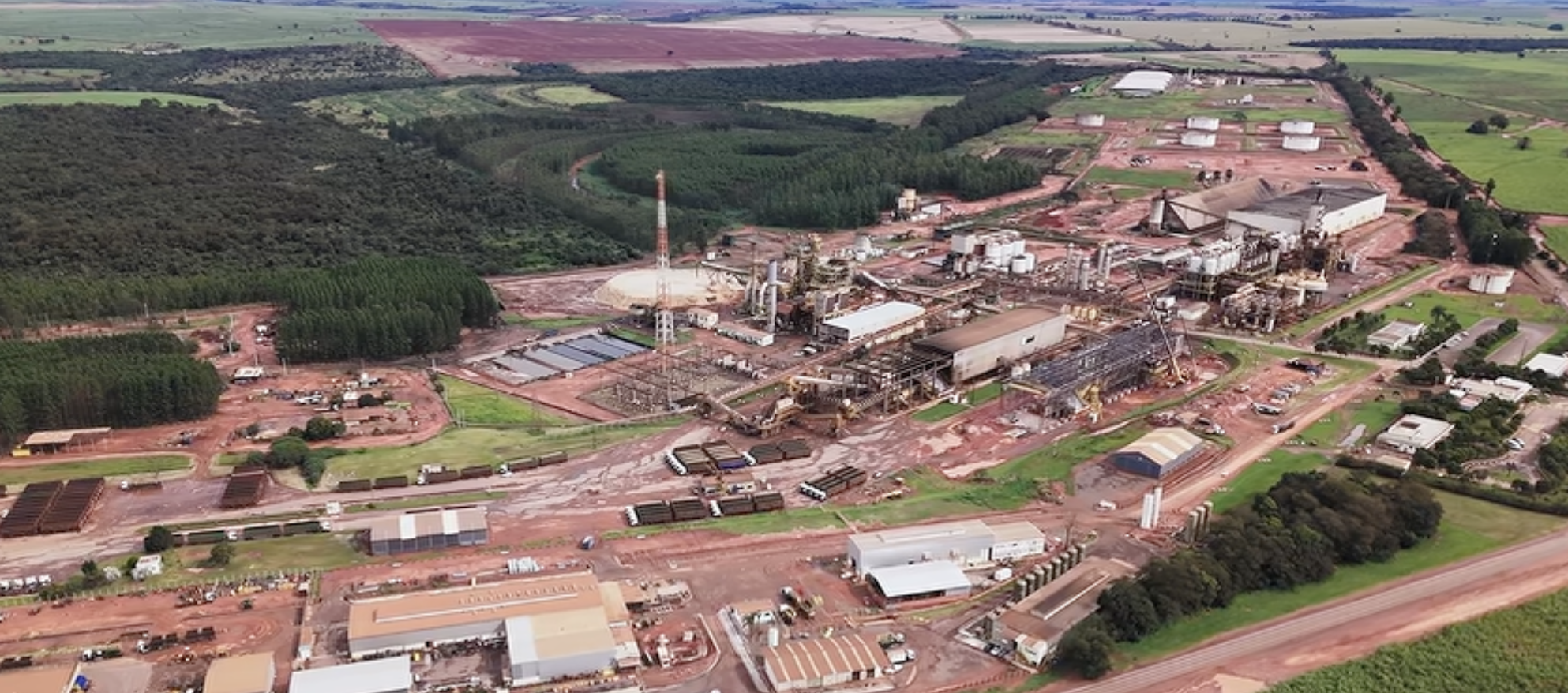
Photo: Cocal/Narandiba Plant.Credit: Esquina.CC
The fuel can leverage part of the existing gas infrastructure and expand the range of solutions available to decarbonize Brazil’s heavy-duty fleet.
SãO PAULO, SãO PAULO, BRAZIL, October 7, 2026 /EINPresswire.com/ -- Among the alternatives for decarbonizing heavy-duty transport in Brazil, biomethane offers an important advantage: it can leverage part of the infrastructure already developed for natural gas, including gas pipelines and refueling stations. This existing infrastructure can help accelerate its adoption without starting from scratch, although deployment at a larger scale will still require further development of distribution and refueling infrastructure, particularly along major freight corridors and in inland regions of the country.A survey by the Brazilian Association of Piped Gas Distributors (Abegás) shows that the country already has 1,752 CNG refueling stations, approximately 2.6 million converted vehicles, and 706 accredited vehicle conversion companies — a market that generated BRL 8.7 billion in savings for users in 2022 alone. This network was originally developed primarily for light-duty vehicles but is beginning to expand into heavy-duty transport: the association projected that 45 new stations equipped to refuel trucks would become operational by the end of 2025, alongside the growth of the heavy-duty fleet powered by natural gas and biomethane.
Against this backdrop, freight transport emerges as one of the most promising applications for biomethane. The international study From Waste to Wheels: Turning Organic Waste into Renewable Fuel for Transport, commissioned by Instituto MBCBrasil and authored by researchers from the University of São Paulo (USP), Federal University of Itajubá (UNIFEI), Agronomic Institute of Campinas (IAC), and Mauá Institute of Technology, identifies biomethane as a mature solution with the potential to be cost-competitive in road transport decarbonization, particularly in heavy-duty and long-haul freight.
The urgency surrounding the sector is supported by significant figures. A study by the Federal University of Minas Gerais on freight transport in Brazil indicates that, as early as 2019, transport accounted for 38% of total greenhouse gas emissions associated with energy use in the country, equivalent to approximately 196.5 million tonnes of CO₂, with trucks alone accounting for 40% of that amount. Few sectors of the economy combine such a significant share of national emissions with a decarbonization alternative capable of leveraging part of the existing gas infrastructure.
The environmental benefits of biomethane compared with diesel are also significant. According to From Waste to Wheels, replacing diesel with biomethane in heavy-duty transport can reduce CO₂-equivalent emissions by 45% to 75% on a well-to-wheel basis. Results vary depending on the feedstock, technology, and application considered.
Recent regulatory developments further reinforce this opportunity. According to José Eduardo Luzzi, Chairman of the Board of Instituto MBCBrasil, the study shows that biomethane is already suitable for deployment across different markets and can help accelerate both investment and public policies for the sector. This view is supported by the regulatory framework introduced in recent years. Brazil’s National Program for the Decarbonization of Natural Gas Producers and Importers and for the Promotion of Biomethane established the Biomethane Guarantee of Origin Certificate (CGOB), which has already been regulated by Brazil’s National Agency of Petroleum, Natural Gas and Biofuels (ANP). Meanwhile, the National Energy Policy Council (CNPE) established an initial emissions-reduction target for the natural gas market through the use of biomethane, creating a demand signal at a time when the first large-scale production projects are beginning to move forward.
Momentum is also building at the municipal level. In São Paulo, the BioSP program, established by the City of São Paulo in September 2025, introduced measures to progressively incorporate biomethane into the city’s public transport and waste-collection fleets, with a target of replacing more than 600 diesel trucks by 2027. Currently, 125 waste-collection trucks are already operating on biomethane produced from landfill gas, and the city plans to expand biomethane procurement from private suppliers as part of its Climate Change Plan.
The picture that emerges is of a fuel supported by mature technology that can leverage part of the existing infrastructure to begin replacing diesel in heavy-duty transport applications. Expanding its use, however, will require simultaneous progress in biomethane production, refueling and distribution infrastructure, access to investment, and regulatory conditions that support market growth. The opportunity is already in place, but achieving scale will depend on coordination among producers, distributors, vehicle manufacturers, fleet operators, and public authorities.
Daniela Camillo Mesquita
MÁQUINA DA NOTÍCIA COMUNICAÇÃO LTDA
11 91043-6780
Visit us on social media:
LinkedIn
YouTube
Documentary by Instituto MBCBrasil follows biomethane production at the Cocal's mill in Narandiba, SP, turning sugarcane waste into renewable fuel
Legal Disclaimer:
EIN Presswire provides this news content "as is" without warranty of any kind. We do not accept any responsibility or liability for the accuracy, content, images, videos, licenses, completeness, legality, or reliability of the information contained in this article. If you have any complaints or copyright issues related to this article, kindly contact the author above.
