

Barred Business Expands Programs and Campaigns for Justice-Impacted People
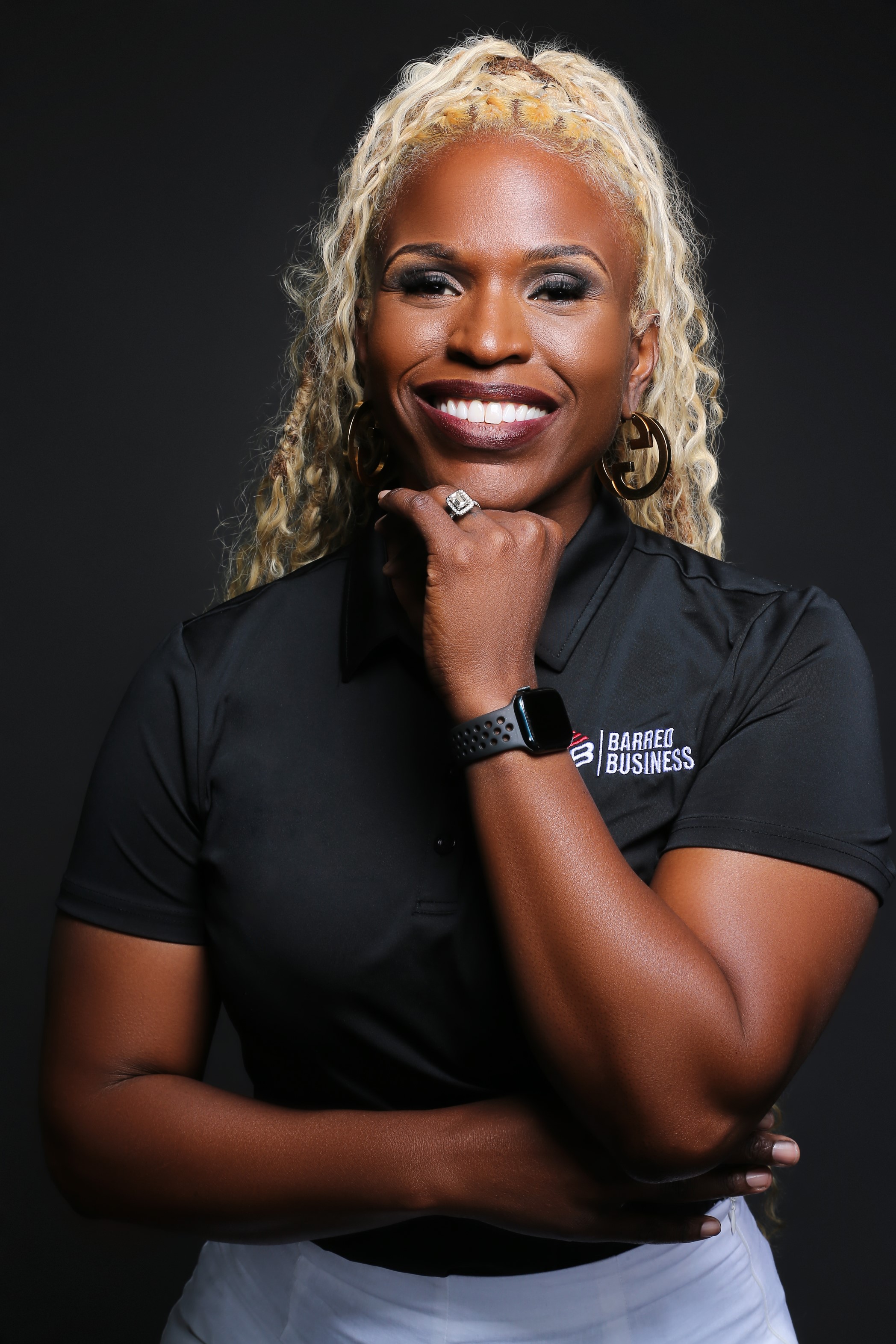
Bri Simpson, Executive Director and CEO of Barred Business.
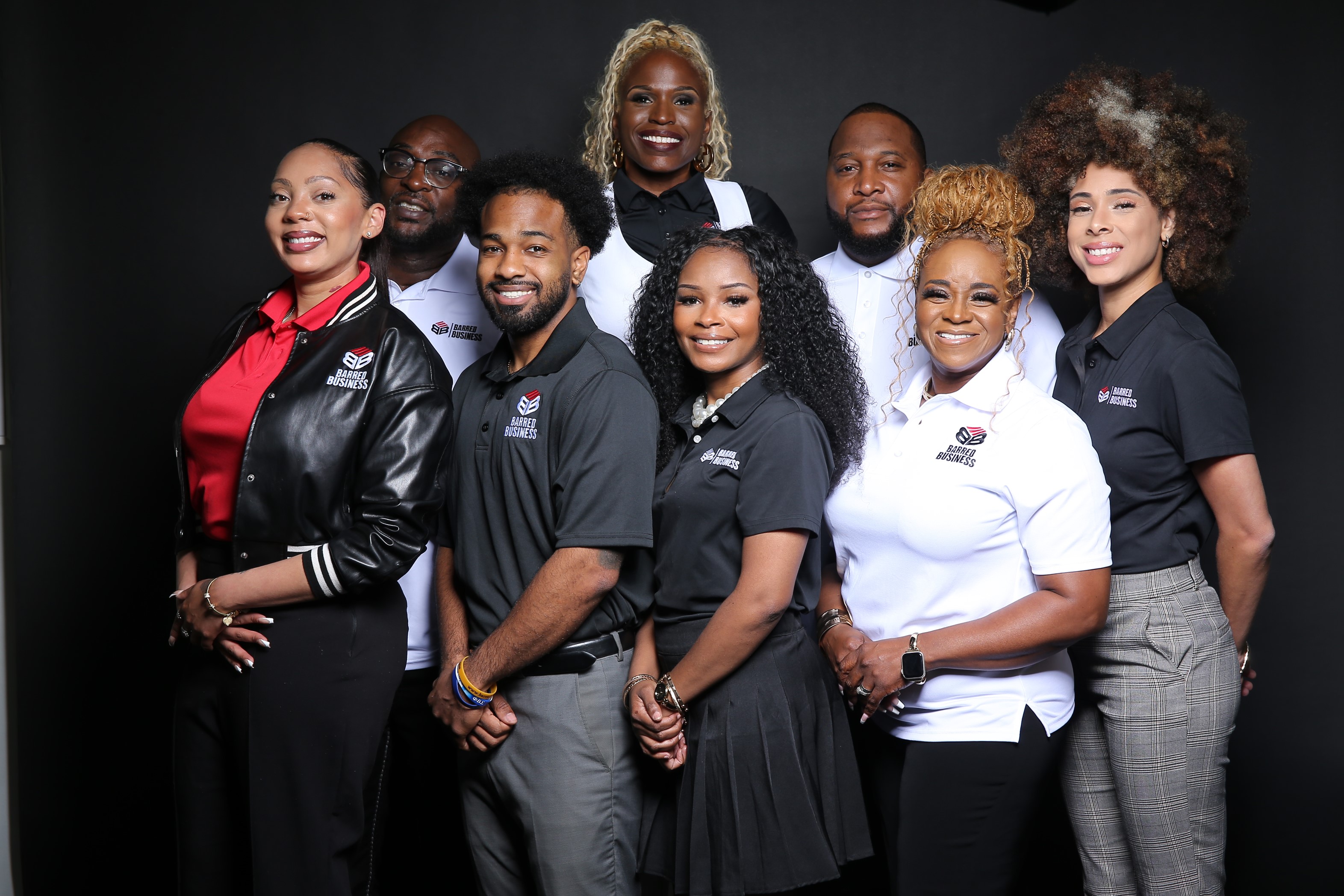
Bri Simpson, Executive Director and CEO of Barred Business (center/back) with members of her staff.
Bri Simpson and her team build collective power with justice-impacted people through workforce development, organizing, policy advocacy and civic engagement.
ATLANTA, GA, UNITED STATES, October 1, 2026 /EINPresswire.com/ -- Barred Business, an Atlanta-based 501(c)(3) nonprofit organization involved in advocacy causes that support and help formerly incarcerated individuals, is expanding its programs, campaigns and coalition partnerships to benefit residents, businesses and communities across Georgia and the United States. The organization’s growth initiatives involve continued and augmented platforms for educating and empowering communities to push for systemic change, including legislation that recognizes justice-impacted people as a protected class, while partnering with allies to shift policies and dismantle harmful practices.Barred Business has grown from an emergency response for justice-impacted entrepreneurs into a broader force for community organizing, policy advocacy, civic engagement, workforce development, housing support and economic justice.
During 2026, Q. 4, and 2027, the staff plans to further develop the organization’s philanthropic programs and activations with expanded workforce development and housing support initiatives, the S.T.A.B.L.E. Program for formerly incarcerated Black women, and new phases of economic justice work through the BEST (Building Economic Security Together), EARN (Economic Access and Resilience Network) and ECOSYS (Ecosystem Scenario Strategy) campaigns.
Barred Business’ team is also focusing on extended growth for the Protected Class Network in and beyond Atlanta, Georgia, and expansion for the Release the Vote campaign, which builds political power by restoring voting rights and mobilizing justice-impacted communities, especially for those left out of traditional voter outreach.
Behind these efforts is Bridgette "Bri" Simpson, Founder, CEO and Executive Director of Barred Business. A formerly incarcerated woman herself, Simpson built the organization around a simple premise: People who have experienced the criminal legal system should have the resources, opportunities and power to shape what comes next in their lives. Her lived experience continues to inform Barred Business’ approach, from direct support and leadership development to organizing for policy changes in the laws and systems that can continue to affect people long after incarceration ends.
"When I came home, I learned quickly that a sentence doesn't end when you walk out the door. It follows you into every job application, housing search and attempt to build something of your own,” said Simpson. “I founded Barred Business because I refused to accept that as the end of the story—for me or anyone else. We're growing because the need still exists, but so is the proof: When justice-impacted people are healed, resourced and given real power, they rebuild more than their own lives; they rebuild their communities."
Barred Business began in 2020, when Simpson responded to the economic impact of the COVID-19 pandemic on justice-impacted entrepreneurs. After many business owners with criminal histories were excluded from federal Paycheck Protection Program (PPP) relief, Barred Business partnered with the ACLU and others to advocate for the removal of Question 5 from the PPP borrower application regarding criminal history and pending charges. The organization also raised $100,000+ and distributed 115 emergency grants to entrepreneurs who had been excluded from federal relief.
The organization expanded beyond emergency assistance into longer-term system change. In 2022, Barred Business launched the S.T.A.B.L.E. Program, which provides organizing and leadership training, housing and economic empowerment for formerly incarcerated Black women. The program has supported more than 213 women, with 93% achieving long-term financial security, and it will continue to grow as part of the organization’s broader expansion of housing, workforce and economic empowerment initiatives.
That same year, Simpson spearheaded the Protected Class Campaign, working with a coalition of civil rights and impacted organizations to advance legal protections for formerly incarcerated people. As a result, the Atlanta City Council unanimously voted Oct. 17, 2022, to recognize formerly incarcerated people as a protected class, making Atlanta the first city in the United States to enact this type of civil rights law. The victory became known as the "Atlanta Model," and Barred Business later launched the Protected Class Network to help other communities pursue similar protections.
Barred Business continues to coordinate Protected Class organizing in Georgia and more than a dozen states, with new ordinances being introduced or developed in numerous locales. “Our Barred Business personnel are working with community partners and local and state leaders on programs and legislation efforts that can extend protections to those who are marginalized,” says Simpson.
Release the Vote, Barred Business's campaign to restore voting rights and political power to justice-impacted people, has grown into a major part of Barred Business’ civic engagement. It combines voter education, local canvassing, workshops and community organizing to help justice-impacted people participate in elections and exercise their civic power. Through initiatives such as the Part of the Solution Festival and outreach across Georgia, Barred Business has reached more than 118,000 justice-impacted voters through voter education and support and will continue for future election cycles.
Barred Business also expanded Release the Vote into a 16-county organizing strategy focused on rural communities across Georgia. The effort brings together local organizing, leadership development, voter education and strategic partnerships to build year-round civic engagement rather than limiting outreach to election season. Plans involve state and nationwide growth.
“Our team has also been conducting Know Your Rights Training, a virtual training and webinar series that combines civic education with practical information for justice-impacted individuals,” Simpson said. “The sessions are designed to help participants advocate for themselves, access resources and work toward greater economic security after incarceration.”
On the economic front, the aforesaid BEST, EARN and ECOSYS programs share one goal: to build stability, economic security and opportunity for justice-impacted people, especially Black families. Barred Business will continue to address mass probation, fines and fees, and job restrictions that block economic mobility.
These efforts reflect how Barred Business has evolved since 2020, pairing direct support with organizing and policy change so justice-impacted people are not simply served by systems but have a role in changing them.
“As we plan for 2027, we are looking forward to continued evolution for disenfranchised people through strategic programs, coalitions, member support, community campaigns and new opportunities for them to build success in their lives, work and communities,” said Simpson. Learn more: www.barredbusiness.org.
Sophie Collins
Eberly & Collard Public Relations
scollins@ecpr.com
Visit us on social media:
LinkedIn
Instagram
Facebook
YouTube
Legal Disclaimer:
EIN Presswire provides this news content "as is" without warranty of any kind. We do not accept any responsibility or liability for the accuracy, content, images, videos, licenses, completeness, legality, or reliability of the information contained in this article. If you have any complaints or copyright issues related to this article, kindly contact the author above.
