

Beyond Blood Sugar: The Wider Risk Picture For Diabetic Retinopathy

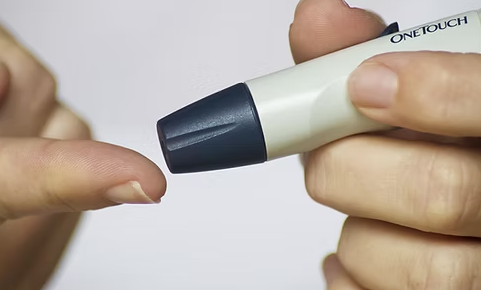

Retina Eye released a patient-focused guidance underscoring that blood sugar, while important, is only one part of the risk profile for diabetic retinopathy
LONDON, UNITED KINGDOM, December 20, 2025 /EINPresswire.com/ -- Retina Eye released a patient-focused guidance underscoring that blood sugar, while important, is only one part of the risk profile for diabetic retinopathy. The practice is encouraging people living with diabetes to take a broader view of eye health that includes blood pressure, cholesterol and the length of time they have had the condition.
Diabetic eye care often overlaps with other age- and health-related concerns. People with long-term diabetes may also be considering cataract surgery, or trying to understand how different eye conditions can emerge together over time. In this context, Retina Eye says clear, practical education can help patients prioritise prevention, attend routine checks and seek help early.
The practice also notes that awareness of other retinal conditions remains relevant for many patients and families, including the evolving landscape of amd disease treatment. While this update focuses on diabetes-related eye disease, it situates retinopathy within a wider conversation about keeping retinal health on the agenda long before vision changes become obvious.
Diabetic retinopathy is a complication of diabetes that damages the small blood vessels of the retina. It can progress silently, especially in early stages, which is why structured monitoring and timely intervention remain essential. The new explainer is aimed at patients, carers and referring clinicians who want a concise summary of the risk factors that can be controlled, those that should be watched closely, and the importance of staying engaged with screening schedules.
A Broader Risk Map
Retina Eye’s guidance reflects a well-established clinical understanding: the longer a person has diabetes, the higher the cumulative risk of retinal damage. But glucose is not the only driver. High blood pressure and elevated cholesterol are widely recognised as key factors influencing the development and progression of diabetic retinopathy.
These risks can exist alongside relatively stable glucose control, meaning patients may still be vulnerable even when they feel they are “doing well” overall.
“People often focus only on glucose when they think about diabetic retinopathy,” said Ms Sharon (Ling Zhi) Heng, consultant ophthalmic surgeon and medical retina specialist at Retina Eye. “It is key to optimise the control of your blood sugar, blood pressure and cholesterol levels.”
Ms Heng’s clinical work emphasises the importance of integrated care that looks at eye health as part of long-term vascular health. This is particularly relevant as modern diabetes management becomes increasingly multidisciplinary, with primary care, endocrinology and ophthalmology working together to reduce avoidable complications.
Why Screening Still Matters
Because early diabetic retinopathy may not cause noticeable symptoms, routine diabetic eye screening and regular eye examinations remain central to preventing sight loss. Retina Eye’s new resource reiterates that prevention is most effective when systemic control is paired with consistent attendance at screening and follow-up appointments.
The explainer also encourages patients to seek prompt assessment if they notice symptoms such as blurred vision, new floaters, or sudden distortion. While these changes do not always indicate retinopathy progression, they can signal complications that require timely evaluation.
Pregnancy And Life-Stage Changes
Retina Eye also highlights the importance of careful monitoring during pregnancy. Pregnancy can be associated with changes in retinopathy status, particularly for people who already have diabetic eye disease. Women planning a pregnancy or who are already pregnant may benefit from coordinated care to ensure retinal assessment happens at the right time.
The practice notes that life-stage transitions can be an overlooked aspect of prevention planning, and that patients should be encouraged to flag pregnancy plans or major shifts in health status with their diabetes team.
Treatment Options When Retinopathy Is Detected
When diabetic retinopathy is identified, management decisions depend on severity and the presence of complications such as diabetic macular oedema. Early or mild stages may be monitored closely while clinicians work with patients to optimise systemic risk factors. More advanced disease may require laser therapy or intravitreal injections. In complex cases, surgery may be considered.
Retina Eye adds that advances in retinal imaging and digital review pathways are helping clinicians detect subtle changes earlier and refine follow-up schedules, supporting more personalised care without losing sight of the fundamentals of prevention.
About Ms Sharon (Ling Zhi) Heng
Ms Heng is a consultant ophthalmic surgeon with an NHS practice at Moorfields Eye Hospital and more than 15 years of experience in ophthalmology. She is Clinical Lead of the Medical Retina Digital Clinics and Clinical Lead for the Northwest London Diabetic Retinopathy Screening Programme (Ealing). Her clinical interests include strategies that reduce preventable sight loss through early detection and integrated systemic care.
About Retina Eye
Retina Eye is a London-based ophthalmology practice specialising in medical retina conditions, including diabetic retinopathy and related retinal disorders. The practice provides assessment, monitoring and treatment informed by contemporary imaging and evidence-led approaches, with a focus on clear patient education and collaborative care.
Media Enquiries
Dr Heng LZ Medical Consultancy (Retina-eye)
Tel: 07886 677351
Email: Info@retina-eye.co.uk
https://www.retina-eye.co.uk/
Ms Debbie Hamer
Retina Eye UK
+44 7886 677351
email us here
Legal Disclaimer:
EIN Presswire provides this news content "as is" without warranty of any kind. We do not accept any responsibility or liability for the accuracy, content, images, videos, licenses, completeness, legality, or reliability of the information contained in this article. If you have any complaints or copyright issues related to this article, kindly contact the author above.
