

Air Cargo Market to Reach USD 250.1 Billion by 2035, Driven by E-Commerce Growth, CAGR 4.97%
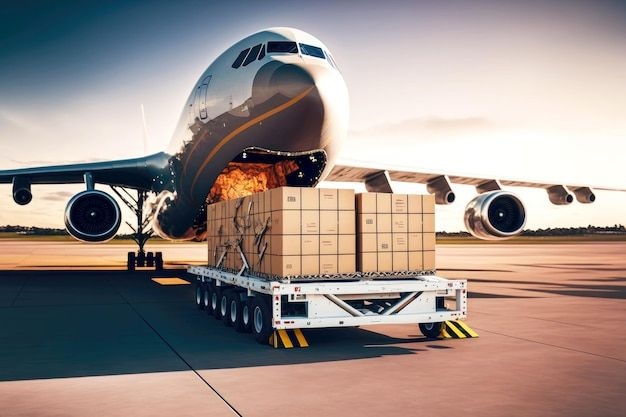
Air Cargo Market
The air cargo industry is projected to grow from 153.98 USD Billion in 2025 to 250.1 USD Billion by 2035, exhibiting a CAGR of 4.97 during 2025-2035.
The Air Cargo Market keeps the world moving—delivering speed, trust, and global connectivity with every flight across the skies.”
NY, UNITED STATES, December 8, 2025 /EINPresswire.com/ -- The Air Cargo Market has become one of the most critical pillars supporting global trade, modern supply chains, and the movement of high-value goods. As industries become more interconnected and time-sensitive, the role of air freight continues to expand beyond conventional logistics. Whether transporting pharmaceuticals, electronics, perishables, e-commerce parcels, or emergency shipments, air cargo ensures unprecedented speed, reliability, and global reach. In an era where customer expectations are reshaped by rapid delivery standards, the air cargo industry is transforming at an accelerated pace, leveraging technology, automation, and sustainability strategies.— Market Research Future
The Air Cargo Market Size was valued at USD 146.69 billion in 2024. It is expected to expand from USD 153.98 billion in 2025 to USD 250.1 billion by 2035, reflecting a CAGR of 4.97% throughout the forecast period of 2025–2035.
Key Drivers Shaping the Air Cargo Market
The growth trajectory of the Air Cargo Market is influenced by several powerful drivers. One of the most prominent is the booming e-commerce sector. Online retail giants, fast-moving consumer goods companies, and cross-border trade platforms heavily rely on air freight to deliver products promptly and efficiently. The trend toward same-day and next-day deliveries has pushed companies to integrate air cargo services into their core logistics frameworks.
Additionally, the rise in pharmaceutical and healthcare shipments—particularly temperature-sensitive goods—has created new opportunities for specialized air freight services. Vaccines, diagnostic kits, biologics, and medical devices require strict temperature control and fast transportation, making air cargo the preferred mode of shipment.
Another crucial driver is the increasing globalization of supply chains. As manufacturers source components from various countries and distribute finished products globally, air freight offers the fastest and most dependable mode of transport. The growing demand for high-value items such as semiconductors, aerospace parts, luxury goods, and precision instruments further strengthens the market’s expansion.
Get Free Sample Report for Detailed Market Insights: https://www.marketresearchfuture.com/sample_request/8271
Technological Advancements Enhancing Efficiency
Digitalization is revolutionizing the Air Cargo Market. From automated warehouses to AI-based forecasting tools and smart cargo monitoring systems, technology is enhancing transparency, speed, and cost-efficiency across operations. Airlines and logistics companies are adopting digital cargo platforms that allow real-time tracking, instant documentation, and faster customs processing.
The emergence of IoT-enabled cargo sensors is another transformative trend. These devices monitor temperature, humidity, shock, and location, ensuring full transparency of sensitive shipments. Blockchain is also increasingly utilized to streamline documentation, reduce fraud, and enhance trust among supply chain partners.
Automated cargo handling systems—including robotic arms, autonomous forklifts, and AI-driven pallet planning tools—are reducing manual errors and improving operational speed. Digital twins are being used to simulate cargo operations, optimize warehouse design, and plan aircraft loading more accurately.
Rising Role of E-Commerce in Air Freight Growth
E-commerce has become a major catalyst driving the Air Cargo Market forward. Consumers today expect rapid delivery, seamless returns, and cross-border shopping convenience. This growing demand is reshaping freight networks, pushing carriers to increase flight frequency, expand cargo fleets, and invest in dedicated freighter aircraft.
E-commerce players are partnering with airlines to streamline supply chains, reduce transit times, and develop integrated logistics hubs. The rise of express delivery services, including international last-mile solutions, is boosting the need for air freight capacity across key trade routes.
Furthermore, regional e-commerce expansion in Asia-Pacific, Europe, and the Middle East is creating new opportunities for air cargo service providers. As online shopping habits mature, the volume of small parcels and lightweight shipments continues to increase, accelerating the need for agile and scalable air freight systems.
Specialized Cargo Transport: A Growing Segment
Not all goods shipped by air are simple parcels or boxes. A substantial portion of the Air Cargo Market consists of specialized shipments that require tailored handling. These include:
Perishables: Fruits, vegetables, seafood, and flowers need rapid and temperature-controlled transport.
Pharmaceuticals: Strict compliance with cold-chain standards and real-time monitoring is essential.
Hazardous goods: Batteries, chemicals, and sensitive materials demand special documentation and safety protocols.
Live animals: Livestock, pets, and zoological animals require safe and comfortable transport environments.
Oversized cargo: Industrial machinery, aircraft parts, and construction equipment often rely on freighters with unique configurations.
The increase in specialized cargo categories highlights the importance of innovation in packaging, temperature control, and handling equipment. Airlines are upgrading their cargo planes with advanced refrigeration units, secure storage systems, and modular cargo bays to cater to these growing needs.
Buy Now & Get Exclusive Discount on this Report: https://www.marketresearchfuture.com/checkout?currency=one_user-USD&report_id=8271
Infrastructure Expansion and Airport Modernization
Airports worldwide are expanding their cargo infrastructure to accommodate rising freight activity. Investment in new cargo terminals, dedicated freighter runways, and cold-chain storage facilities is becoming a priority. Smart warehouses equipped with RFID scanning, automated sorting, and cloud-based management systems are improving service efficiency.
The development of multi-modal logistics hubs—where air, sea, and road transport converge—supports end-to-end supply chain operations. Such integrated facilities help reduce delivery times, improve cargo visibility, and enhance coordination among shipping partners.
Sustainability Trends Transforming the Air Cargo Market
Sustainability has moved to the forefront of discussions within the Air Cargo Market. Carriers and logistics companies are adopting environmentally responsible strategies to reduce carbon emissions and improve fuel efficiency. Some of the major sustainability efforts include:
Increased use of sustainable aviation fuel (SAF)
Adoption of lightweight packaging materials
Implementation of electric ground-handling systems
Optimization of flight routes to reduce fuel burn
Development of hybrid and electric cargo aircraft concepts
Consumers and businesses alike are growing more environmentally conscious, making green logistics strategies a competitive advantage.
Challenges Faced by the Air Cargo Industry
Despite its rapid growth, the Air Cargo Market faces certain challenges. High operational costs, fluctuating fuel prices, and inflationary pressures affect profitability. The industry also encounters capacity constraints, especially during peak seasons, causing delays and increased freight rates.
Regulatory requirements, customs complexities, and geopolitical tensions can disrupt cargo flows. Additionally, competition from sea and rail freight—especially for lower-value goods—requires air cargo companies to continuously innovate and optimize costs.
However, these challenges are prompting the industry to adopt smarter practices, diversify cargo offerings, and invest in resilient logistics networks.
Browse the Complete Report: https://www.marketresearchfuture.com/reports/air-cargo-market-8271
Future Outlook of the Air Cargo Market
Looking ahead, the Air Cargo Market is expected to continue its upward trajectory, driven by expanding global trade, e-commerce growth, and digital transformation. The adoption of automated cargo technologies, greener aviation fuel, and next-generation freighters will shape the industry's next decade.
Emerging markets in Africa, Southeast Asia, and Latin America will become major growth hotspots as manufacturing activities rise and consumer markets expand. The integration of data analytics and AI will further enhance operational visibility and decision-making.
Discover more Research Reports on Packaging Industry, by Market Research Future:
Pharmaceutical Logistics Market https://www.marketresearchfuture.com/reports/pharmaceutical-logistics-market-11540
Contract Logistics Market https://www.marketresearchfuture.com/reports/contract-logistics-market-12394
Logistics & Supply Chain Market https://www.marketresearchfuture.com/reports/logistics-supply-chain-market-10972
4PL Market https://www.marketresearchfuture.com/reports/4pl-market-11578
Freight Forwarding Market https://www.marketresearchfuture.com/reports/freight-forwarding-market-two-11579
Market Research Future
Market Research Future
+1 855-661-4441
email us here
Legal Disclaimer:
EIN Presswire provides this news content "as is" without warranty of any kind. We do not accept any responsibility or liability for the accuracy, content, images, videos, licenses, completeness, legality, or reliability of the information contained in this article. If you have any complaints or copyright issues related to this article, kindly contact the author above.
